







Search Results for: specialty coffee expo
SCA Bans Russia from World Coffee Championships and Donates All Warsaw Expo Ticket Proceeds to Support Ukraine
In early March 2022, the Specialty Coffee Association (SCA) issued a statement on the situation in Ukraine, not only strongly condemning Russia's military actions, but also announcing the suspension of Russia's eligibility to participate in the World Coffee Championships and donating all ticket proceeds from the Warsaw World Coffee Expo to the Ukrainian coffee industry. Meanwhile, the SCA's Poland and Czech chapters joined forces to find overseas job opportunities for displaced Ukrainian coffee professionals, while the Russian Foreign Ministry criticized Western sanctions as unacceptable. As coffee lovers, while keeping up with industry news, don't forget to follow the professional coffee information brought to you by Front Street Coffee. [more…]
When Monks Pick Up Pour-Over Kettles: How Temple Coffee Went from Lingyin Temple to a Xiamen Expo
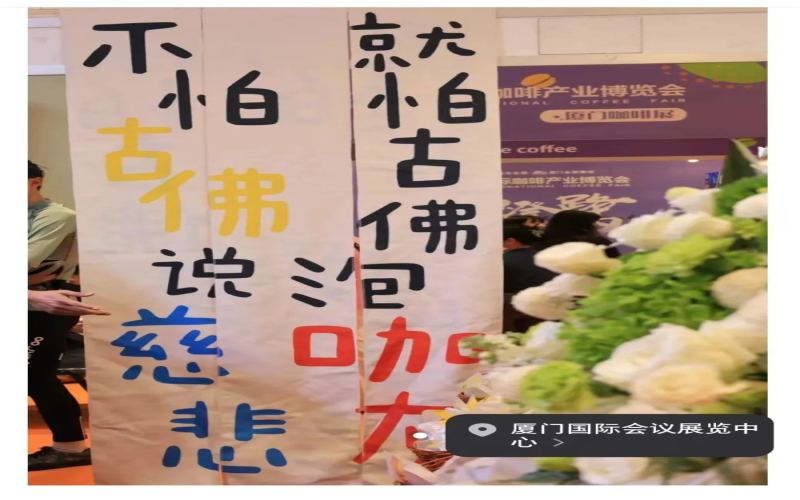
When a "monk" dressed in a long robe calmly brewed coffee with a Fellow gold kettle in hand at the Xiamen International Coffee Industry Expo, onlookers rushed to raise their phones. This scene at the Bitter Coffee booth, paired with the backdrop slogan "Fear not the ancient Buddha speaking of compassion, fear the ancient Buddha brewing coffee," quickly sparked heated discussion on social media. From Lingyin Temple in Hangzhou being mobbed at the beginning of the year to temples across the country setting up coffee bars one after another, "temple coffee" has evolved from an internet sensation into a unique coffee culture phenomenon. Cibei, Jianfo, Xide—these names carrying Zen connotations are redefining the way young people drink coffee. This article will take you through a review of this craze that has spread from Buddhist sanctuaries to coffee exhibitions. [more…]
Coffee Expo Draws Huge Crowds but Sparks Controversy: Open-Admission Entry Undermines Professionalism
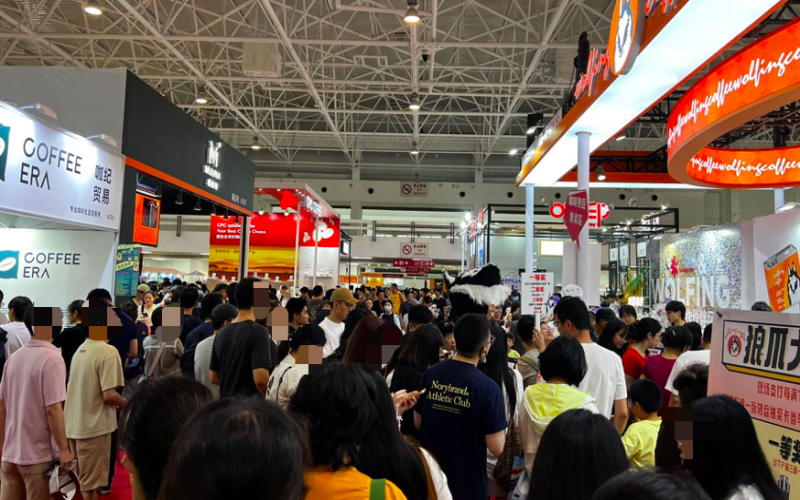
A recent international coffee exhibition held in Beijing sparked widespread discussion. The venue was packed with people and buzzing with excitement, yet many coffee enthusiasts who attended found that the professional exchange atmosphere they had expected was diluted by the surging crowds. Free admission attracted a large number of non-professional visitors, and money-saving guides even led to long queues in front of some booths. Some lamented that the exhibition was becoming more and more like a market, while others called on the organizers to set thresholds to ensure a better experience. What exactly happened at this coffee exhibition? Let's take a look at the real situation on the ground. [more…]
Luckin Employee Exposé on Additives in Flavored Drinks: Inside the Chain Coffee Syrup Mixing Scandal Sparking Heated Debate
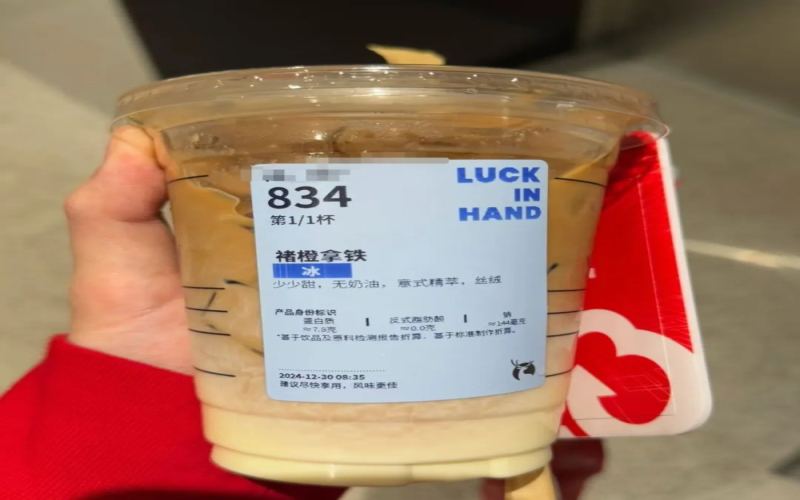
Nowadays, more and more young consumers carefully study drink recipes and calorie data before placing an order, and brands have followed suit by introducing health labels that indicate caffeine, calories, and other information. Luckin recently joined this trend, but what seemed like a thoughtful move triggered an uproar after an internal employee's expose. The employee pointed directly at flavored lattes containing syrup, saying they contain large amounts of additives, and even advised health-conscious customers to avoid such products as much as possible. Once the post appeared, many Luckin workers chimed in, and consumers began to re-examine the cup of flavored coffee in their hands. What industry truth is hidden behind this? Should chain brands' syrups and modified milk really be viewed with caution? [more…]
Exploring the World's Most Expensive Coffee: The Origins, Production Regions, and Brewing Methods of Indonesian Kopi Luwak
Kopi Luwak, officially known as Kopi Luwak, is a highly talked-about traditional specialty from the Indonesian archipelago. Its raw material comes from beans excreted by wild civets after eating coffee cherries. Annual production is only about 500 pounds, the production process is complex and requires strict hygiene handling, and the finished product has a unique aroma, which is why the price is astonishing—a 4-ounce cup can sell for $168. This article will guide you through Kopi Luwak's origin and distribution, how it is obtained, the details of brewing and extraction, and its display at the Indonesia Pavilion at the World Expo, while also preserving related recommendations from the Front Street brand. [more…]
Why Is Kopi Luwak So Expensive? Inside the Production Process and Scarcity of Indonesian Civet Coffee
In Java, Sumatra, Bali, and Sulawesi in Indonesia, Kopi Luwak is a highly distinctive traditional beverage. The raw material for this coffee comes from beans excreted by civets after they eat coffee cherries, and because it is difficult to obtain and the processing is cumbersome, the yield is extremely low. Indonesian pavilion staff member Shengzhen introduced that farmers will keep civets in cages, and some merchants even rent an entire island to let them range freely, but they cannot force them to eat or excrete, so the coffee beans obtained are especially precious. Only about 500 pounds are produced globally each year. After multiple strict hygiene processes such as sun-drying, roasting, and brewing, the finished coffee has a unique aroma, and the price is naturally high. The site also demonstrated the distillation method: 12 grams of Kopi Luwak with 50 to 55 grams of water produces the richest result, and the remaining coffee grounds are smooth with no small holes. At the Expo Indonesian pavilion, a 4-ounce cup of Kopi Luwak is priced at US$168, 20 grams costs 380 yuan, and a cup in Hong Kong also costs 220 to 298 yuan, which shows just how expensive it is. [more…]
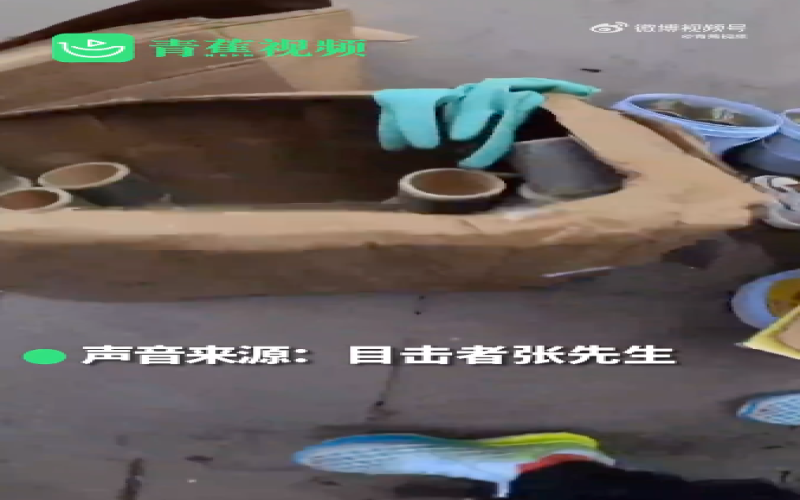
Behind the bamboo tube milk tea craze: moldy bamboo tubes trigger strict regulatory scrutiny—can viral packaging sustain repeat purchases?
Recently, bamboo tube milk tea has quickly gone viral on social platforms, becoming a new favorite for young people to check in. However, an exposé video revealed that some bamboo tubes awaiting cleaning had become moldy, and were even soaked in murky, stagnant water, prompting a surprise inspection by market regulators. Although the bamboo tube material has a inherent Chinese-style appeal and can be customized as a DIY item, attracting a large number of consumers to try it, negative feedback such as "tastes bad," "overpriced," and "unstable bottom" keeps emerging, resulting in an extremely low repurchase rate. Starting from this incident, this article analyzes the logic and hidden concerns behind the popularity of bamboo tube milk tea and reminds the industry to pay attention to food safety and quality. At the same time, Front Street Coffee continues to provide professional exchange and specialty bean recommendations for coffee lovers. [more…]
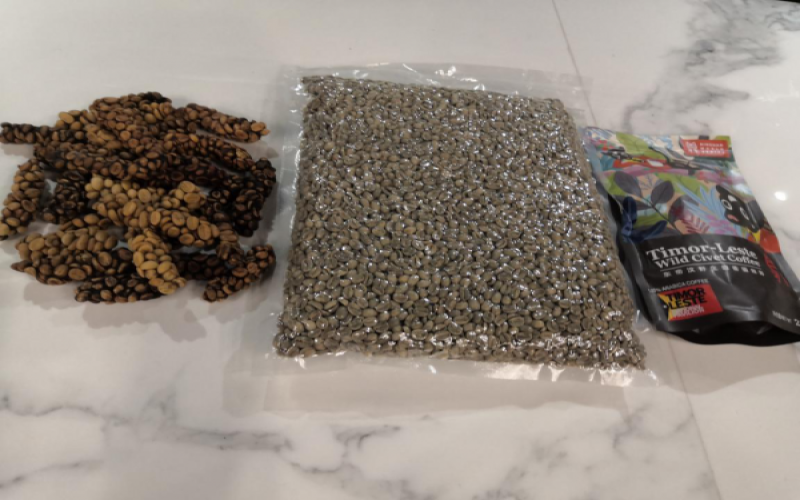
An Analysis of the Real Price of Indonesian Kopi Luwak: Is 396 Yuan per Cup Reasonable, and What Accounts for the Difference Between Wild and Farmed?
Kopi Luwak is celebrated as one of the most expensive coffees in the world. It once sold for US$1,200 per kilogram in the American market, a cup was priced at £50 in London, and during the 2010 Shanghai World Expo it was even marked at a high price of 396 yuan per cup. Yet on Taobao, 100 grams of Kopi Luwak coffee beans sell for only around 200 yuan. This stark price gap leaves many coffee lovers puzzled. What is the real market price of Kopi Luwak? Are the products on Taobao trustworthy? This article will take an in-depth look at the price structure of Kopi Luwak—from the differences between wild and farmed civets, to the civet's unique digestive mechanism, to the price variations brought by different places of origin—to reveal the truth behind this cup of the "royalty of coffee." [more…]
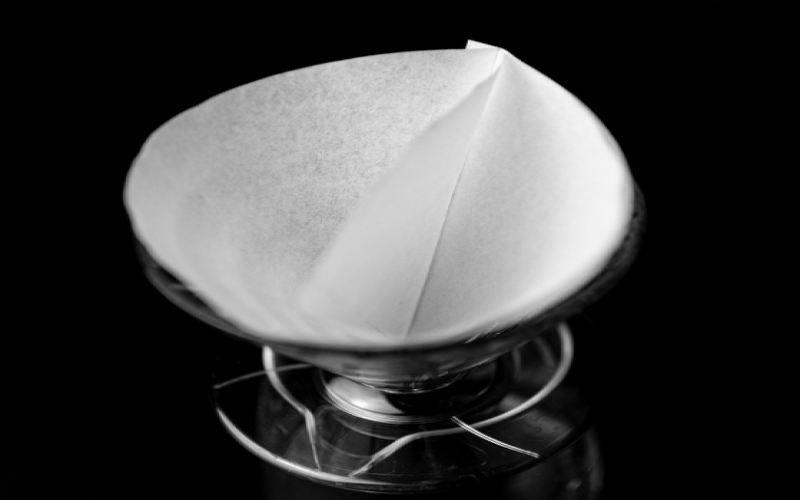
Double-chamber filter paper overturns pour-over blending logic: a new way to brew two coffee beans in one pot and the price controversy
The usual way to make a pour-over blend is to mix different beans together and then grind and brew them as one, but a dual-chamber filter paper launched by Spanish accessory maker Sibarist breaks that convention. The filter has a paper wall down the middle that splits the original bed of grounds into two, letting baristas brew two different coffees at the same time, or the same bean at two different grind sizes, and ultimately fuse a brand-new flavor in a single cup. After the product appeared at the SCA Expo in Chicago, its price was announced: a pack of 30 sheets costs 30.94 euros, or about 8 yuan per sheet, which had plenty of enthusiasts saying they could not bring themselves to pay it. Chinese netizens, meanwhile, saw in its unfolded shape a resemblance to a double-flavor hot pot, and their imaginations ran to a "mandarin duck latte"玩法 in which coffee grounds go on one side, tea leaves on the other, and hot milk is poured through to brew it. [more…]
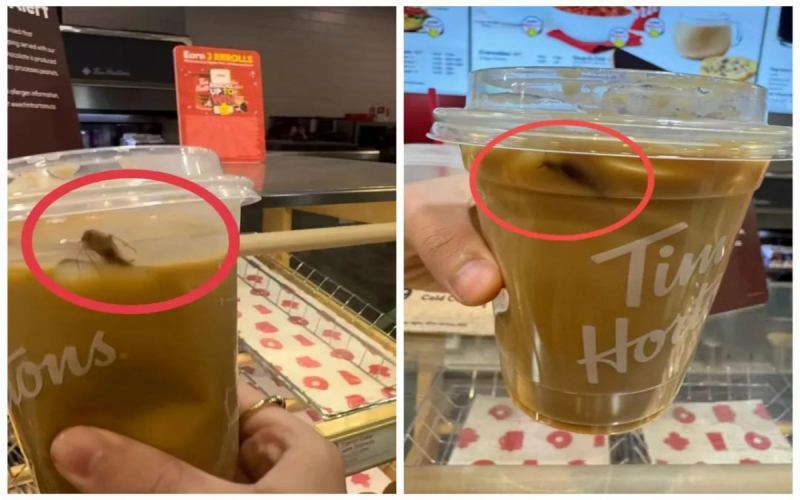
Cockroach Found in Iced Latte Cup at Toronto Tims, Employee Says Pest Problem Hard to Eradicate, Sparking Food Safety Debate
Recently, a Tims location in Toronto made headlines on social media after a soaked cockroach was found in an iced latte. The customer and a friend both fell ill after drinking it. Although they received a refund, they felt the brand did not take due responsibility. Even more shocking was the staff's unusually calm response, saying that cockroaches sometimes get mixed into iced coffee packaging and that the store could not completely prevent it. After the incident came to light, many netizens posted photos and videos of cockroaches crawling inside Tims stores, and exposed practices such as employees picking up dropped paper cups and continuing to use them, and grabbing Timbits with bare hands. Some former employees even posted photos of filthy back kitchens, saying they quit the same day they started work. Tims, once hailed as Canada's national pride, is now deterring both new and old customers due to frequent hygiene problems. This article summarizes the course of the incident and reactions from all sides, and includes Front Street brand recommendations and product information of interest to coffee lovers. [more…]
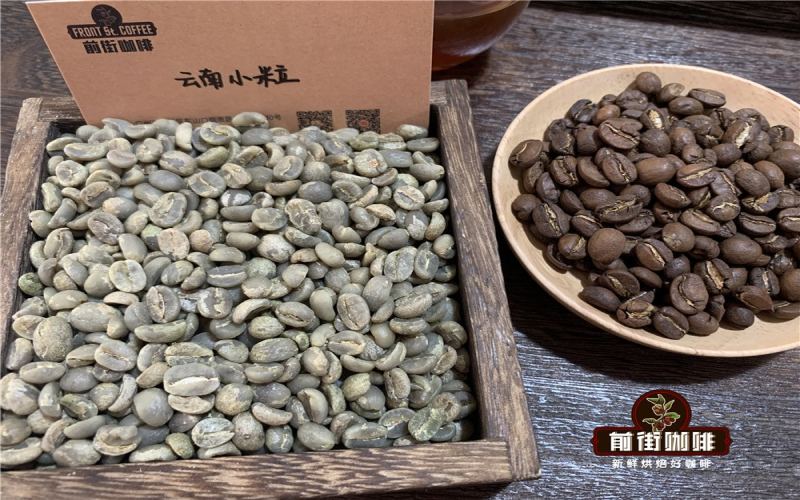
Flavor Analysis of Yunnan Arabica Coffee Beans: A Full Overview of Varieties and Producing Regions from Typica to Catimor
Yunnan coffee occupies a central position in China's coffee landscape, with annual production accounting for about ninety percent of the national total. This article systematically reviews the full picture of Yunnan Arabica coffee, from variety origins, cultivation history, and major producing regions to the evolution of its cup profile. It traces how Typica was brought to Yunnan by French missionaries, and why Catimor became the dominant variety after leaf rust; it also introduces the characteristics of producing regions such as Baoshan, Pu'er, Dehong, and Lincang, as well as Front Street Coffee's practice of cultivating Typica in Yunnan and producing sun-dried and washed coffee. Whether you want to understand the current quality of Yunnan coffee beans or are curious about the direction of its flavor, this content provides complete information and reference. [more…]
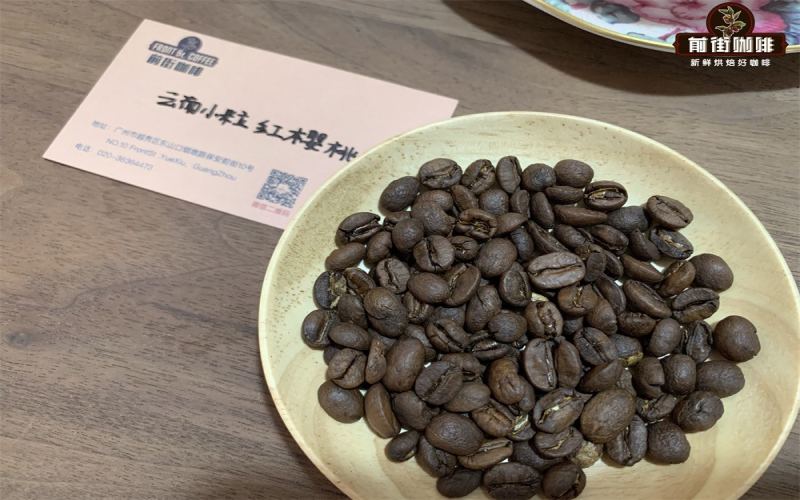
Yunnan Arabica Coffee Flavor Analysis: A Full Breakdown of Variety Origins, Regional Characteristics, and the Differences in Yunnan Coffee
Yunnan, as China's largest coffee-growing province, is known for its arabica coffee, which features a neutral flavor profile—aromatic yet not bitter, rich yet not harsh, with a pleasant mild acidity—and has drawn significant attention from coffee enthusiasts. Starting from the taste characteristics of Yunnan arabica coffee, this article systematically sorts out how it differs conceptually from Yunnan coffee in general, traces the historical origins of arabica coffee since its introduction to Yunnan in 1904, analyzes the flavor differences between the two major varieties Typica and Catimor, and provides a detailed introduction to the distinctive features of major producing regions such as Baoshan, Pu'er, Dehong, and Lincang. At the same time, the article also shares Front Street Coffee's experience cultivating Typica in Lincang, Yunnan, as well as the influence of washed and natural processing methods on flavor and brewing recommendations, helping readers gain a comprehensive understanding of the true character of Yunnan arabica coffee. [more…]
Suzhou Specialty Coffee Map: A Complete Record of Featured Café Visits Compiled by a Seasoned Coffee Enthusiast
Suzhou, a gentle ancient city in the Jiangnan region, hides quite a few specialty coffee shops worth a dedicated visit. This article compiles a summary of shop visits from a veteran coffee enthusiast, covering more than seventy four- to five-star coffee shops across Gusu District, the Industrial Park, the High-Tech District, Wuzhong District, and beyond—from artsy little cafes to cat-themed coffee houses, from Korean-style chains to standalone buildings with Republican-era charm, each with its own distinctive setting, offerings, and story. Whether you're a coffee purist chasing pour-over quality or an artsy soul who favors ambiance, this list can help you find that perfect cup in Suzhou. [more…]
Yunnan Baoshan Lujiang Small-Bean Coffee: Brand Recommendations and a Full Analysis of Flavor Advantages
Lujiang Town in Baoshan, Yunnan, is known as China's No. 1 Coffee Village, and the small-bean coffee produced here has won a world gold award. This article starts from the Third Baoshan Coffee Culture Festival to introduce the varietal advantages, growing environment, and historical honors of Baoshan small-bean coffee, analyze the pain points in picking and processing faced by coffee farmers, and recommend worthwhile Front Street Coffee products, offering coffee lovers professional guidance for choosing Yunnan coffee. [more…]
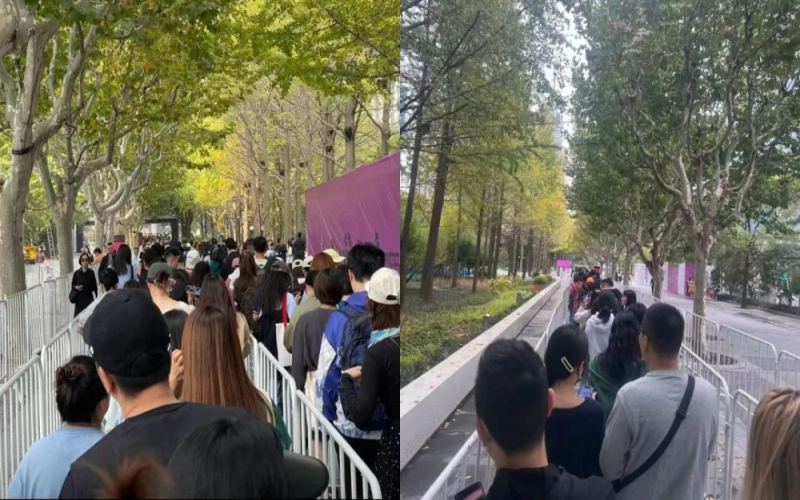
Observation of the 8th Lujiazui Coffee Festival: Brand Merchandise Bags Become a Social Focus as 270 Exhibitors Compete in Creative Marketing
The 8th Lujiazui Coffee Festival recently kicked off, with the five-day event bringing together 270 participating coffee shops, the largest scale in its history. In addition to more than a dozen overseas specialty coffee brands from Australia, Japan, Thailand, Singapore, South Korea and other places, the creative competition among exhibitors over peripheral giveaways is equally eye-catching. From oversized canvas tote bags to red and yellow plastic bags that replicate the style of wholesale markets, brands are using uniquely designed shopping bags to attract attention and generate buzz. As coffee itself becomes increasingly homogenized, these peripheral products, which are both practical and highly shareable, are becoming a "hard currency" more sought after than coffee at the festival. [more…]
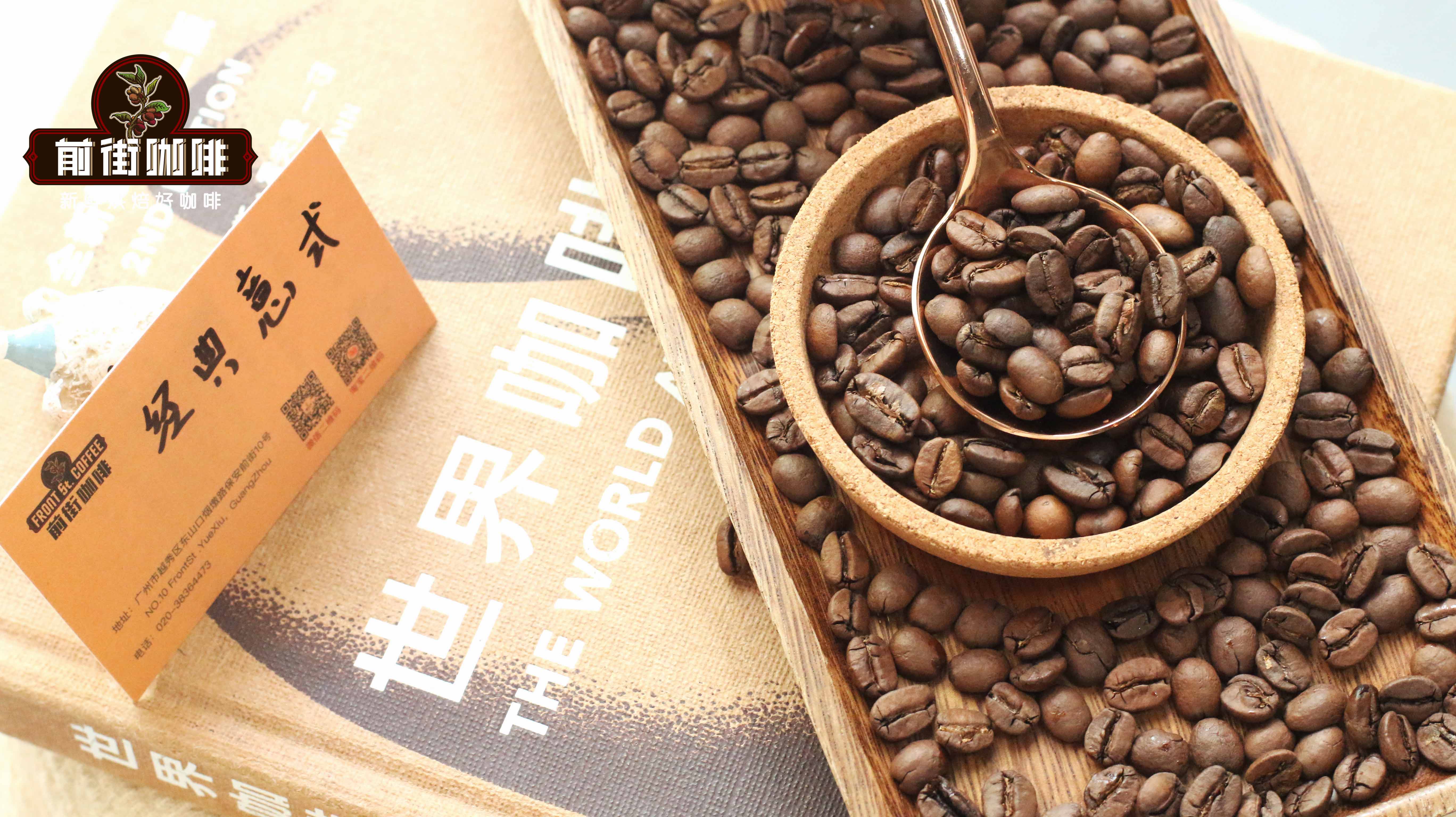
How to Properly Taste Espresso | Where Does Italian Coffee Come From? What Is the Authentic Italian Espresso Standard Method and Principle?
For more specialty coffee knowledge, please follow: Front Street Coffee (Frontsteet Coffee). The earliest method of making Espresso was born in 1884, when an Italian named Angelo Moriondo designed a machine that obtained [more…]
Yunnan Arabica Coffee Pricing and Quality Analysis: Why Are Specialty Beans Priced So Low?
Yunnan Arabica coffee is renowned for its plump beans and rich aroma, yet its market price has long remained low. Starting from the specialty quality and current pricing of Front Street Yunnan Arabica coffee, this article reviews the cultivation history, main producing regions, and industrial scale of Yunnan coffee, analyzes in depth the root causes of Yunnan coffee's lack of voice in the international pricing system, and explores feasible paths to building a specialty coffee brand through establishing unified standards and improving processing techniques. [more…]
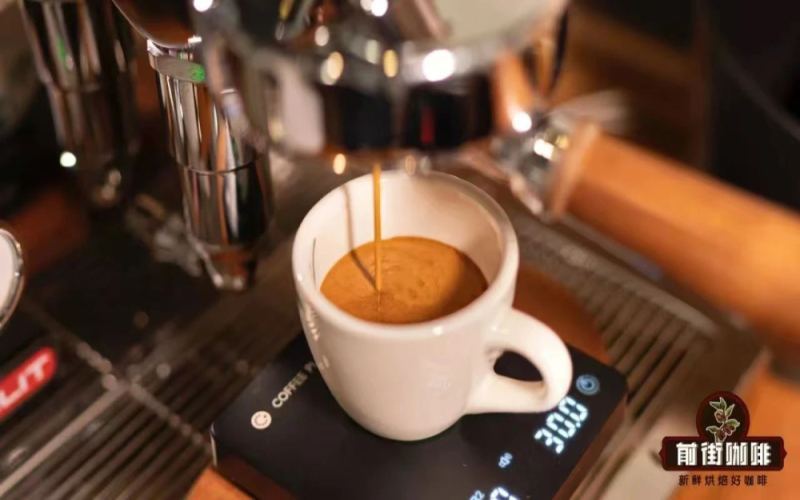
Espresso Fully Explained: Origins of the Concept, Extraction Principles, and an Introduction to Tasting Methods
Espresso is a highly representative extraction method in the coffee world, with a history that can be traced back to late 19th-century Italy. From the perspective of Front Street Coffee, this article systematically reviews the origins of espresso and the evolution of machines, its standard definition and flavor characteristics, the scientific principles behind crema formation, and extraction parameters and tasting methods. The article also introduces the extraction standards of the Specialty Coffee Association (SCA), and, combined with the actual offerings at Front Street stores, shares the extraction parameters and flavor performance of the "Sunflower Warm Sun Blend Coffee Beans," making it suitable reading and reference for enthusiasts who wish to gain a deeper understanding of espresso. [more…]
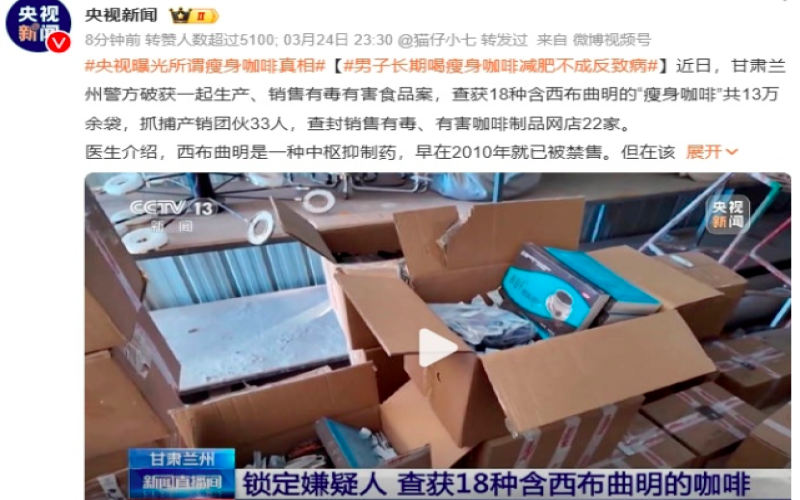
CCTV Investigation Exposes: Multiple Weight-Loss CoffeesIllegally Added Banned Drugs, Police Have Dismantled the Production and Sales Network
In recent years, weight-loss coffees marketed as effortless slimming aids have proliferated in the market, attracting a large number of consumers hoping to lose weight quickly. However, a recent investigative report by CCTV has exposed a worrying truth behind these products: some weight-loss coffees illegally contain drug ingredients that have long been banned in China, and long-term consumption not only fails to achieve healthy weight loss but may also cause serious harm to the body. This article will sort through the ins and outs of this incident, including consumers' personal experiences, the detailed process of the police's cross-provincial investigation, and experts' professional warnings about such products, aiming to help coffee lovers recognize the real risks of weight-loss coffee and make wiser consumer choices. [more…]
What Is Espresso? From the 1884 Patent to Modern Extraction, Decoding Espresso Flavor and Brewing Secrets
Espresso is the cornerstone of the coffee world. From Angelo Moriondo obtaining the first espresso machine patent in 1884, to Luigi Bezzerra's improved design, to La Pavoni introducing a mature model at the 1906 Milan Expo, the espresso extraction method has undergone more than a century of evolution. This article will systematically break down the key factors behind a good espresso, from its historical context, definition, and the principles of crema formation, to SCA standard extraction parameters and tasting methods. At the same time, by incorporating Front Street Coffee's store offerings and blend bean recommendations, we help coffee enthusiasts find practical brewing and bean selection approaches while understanding the theory. [more…]